
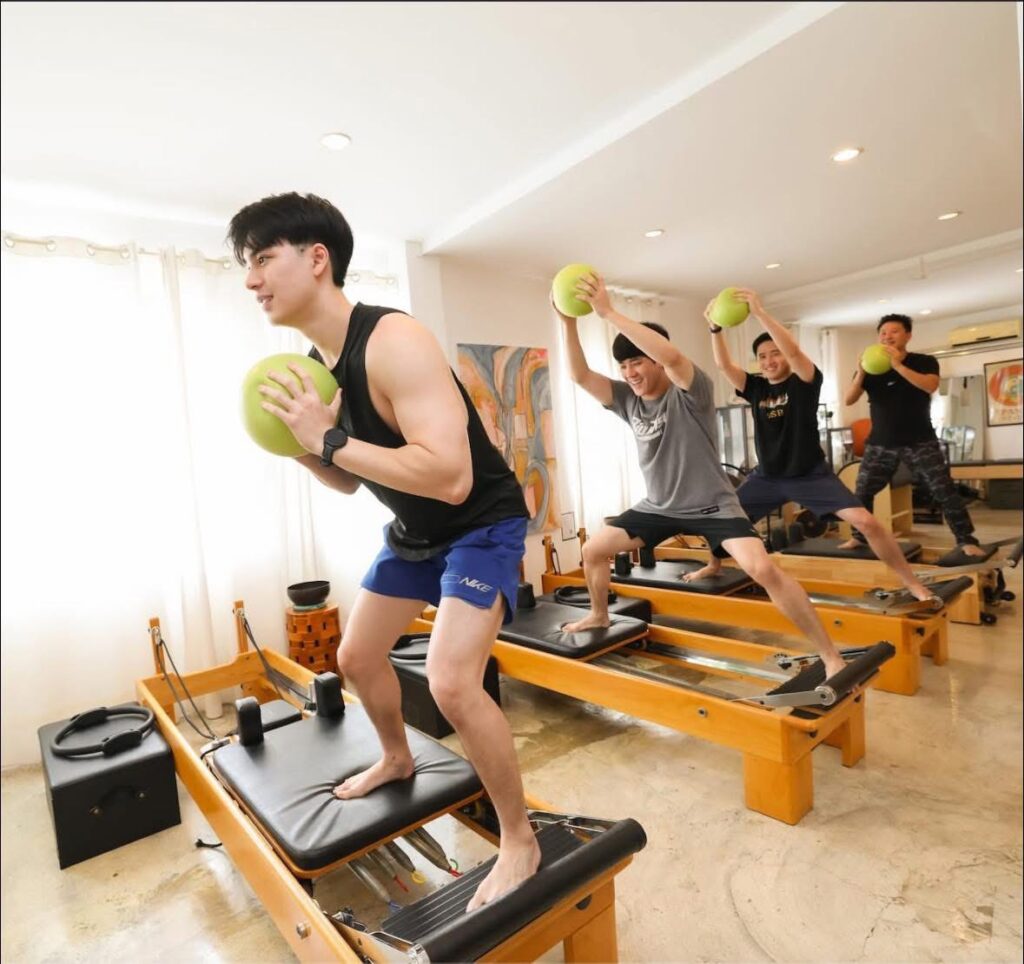
Most people come to Pilates for obvious reasons — a stronger core, better posture, or a body that feels more toned and supported. Those things happen.
But what makes people stay?
What quietly changes how they move, feel, and live?
It’s not what most people expect.
Pilates Changes How Your Body Thinks
The real power of Pilates isn’t just physical strength — it’s movement awareness.
Every movement you make starts in the nervous system before it ever reaches the muscles. Over time, stress, sitting too much, or old injuries teach the body to move with tension and shortcuts. Pilates gently rewires those patterns.
Through slow, intentional movement, Pilates teaches your body:
- When to engage
- When to release
- How to move with less effort and more control
That’s why many people feel “lighter” after class — even when the work is deep.
Why Slow Movement Works So Well
One of the most overlooked benefits of Pilates is that it builds strength without exhausting the nervous system.
Instead of pushing through fatigue, Pilates works with breath and awareness. Over time, this helps reduce unnecessary tension, support joint health, and create strength that feels sustainable — not forced.
This is why Pilates works so well as part of a long-term wellness practice, especially for people who want to stay active, mobile, and pain-free as they age.
Why Pilates Fits Into a Wellness Lifestyle
Pilates isn’t about extremes. It’s adaptable, intelligent, and respectful of the body.
In a Pilates wellness studio, movement becomes a form of self-care — not punishment. Many people find that Pilates helps them manage stress, improve focus, and feel more connected to their body.
These changes may feel subtle at first, but over time they become powerful.
The Benefit You Can’t See — But Always Feel
The greatest benefit of Pilates isn’t how your body looks.
It’s how your body feels moving through life.
Standing feels easier.
Breathing feels deeper.
Movement feels more natural.
That’s the kind of strength that lasts.
And once your body learns it, it doesn’t forget.