
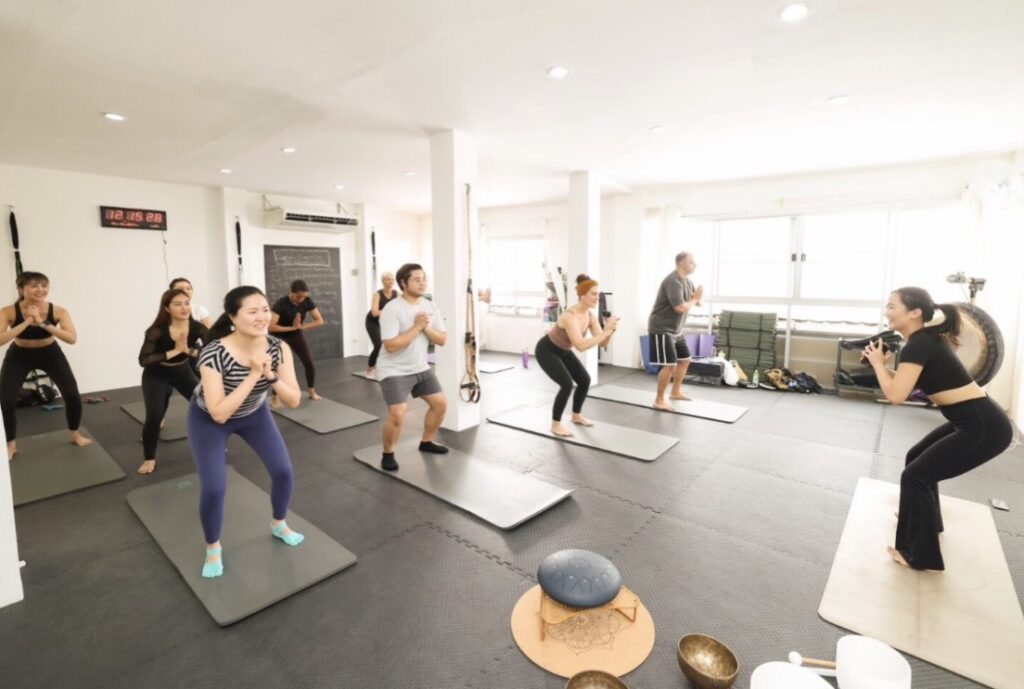
Longevity isn’t just living longer — it’s living better. Recent research suggests that practices emphasizing mindful movement and nervous system regulation, such as Pilates and sound bath experiences, may contribute to stronger bodies, calmer minds, and a more resilient life over time.or delete it, then start writing!
Why Strength Matters for Longevity
Strength isn’t only about muscles you can see — it’s about how well your body supports daily life. Scientific reviews show that Pilates can improve muscle strength, balance, flexibility, core stability, and posture, all of which are key components of long-term physical health. Controlled, low-impact movement engages multiple muscle groups and enhances functional fitness that carries into everyday activities.
Research also indicates that Pilates may help support mental well-being, including mood and quality of life — benefits that build resilience and help people stay active longer.
Pilates: More Than Just Exercise
Pilates combines controlled movement, breath, and body awareness, making it a powerful form of strength training that doesn’t rely on heavy weights or high-impact routines. A systematic review found that Pilates may improve flexibility, balance, respiratory capacity, core stability, and even some cardiovascular markers when practiced consistently over weeks or months.
Because Pilates is adaptable for all ages and levels, it supports people in maintaining physical independence — a cornerstone of healthy aging.
Movement for the Mind: Stress, Mood & Relaxation
There’s increasing interest in how movement practices influence the nervous system. Pilates encourages mindful attention, breath regulation, and body awareness — qualities that can help reduce stress and improve emotional well-being. A meta-analysis has found positive outcomes for mood states, stress management, and even symptoms of anxiety when people participate regularly in Pilates or similar mind-body exercise.
The Emerging Science of Sound Baths
Sound baths — experiences where participants listen to resonant instruments such as singing bowls — are emerging as a complementary practice that may support nervous system regulation and relaxation responses. While research is still in early stages, several studies suggest that sound meditation can reduce tension, anxiety, fatigue, and negative mood states, while increasing a sense of well-being immediately following a session.
Experts believe that sound baths may promote activation of the parasympathetic nervous system (the “rest and digest” mode), helping lower stress responses, calm the mind, and support recovery after physical or mental exertion.
Although sound bath research is ongoing and more data is needed to establish long-term effects, today’s evidence points to promising benefits when sound experiences are paired with mindful practices like movement and breath work.
Stronger Bodies, Calmer Minds, Longer Lives
- Together, Pilates and sound bath practices form a holistic, science-aligned approach to well-being:
- Mindful movement and breath work help regulate stress and emotional health.
- Sound immersion experiences may deepen relaxation and reduce tension.
This blend fosters both physical resilience and nervous system balance, creating a sustainable path toward a vibrant, long life.